
10th Grade Science: Biology
Biology
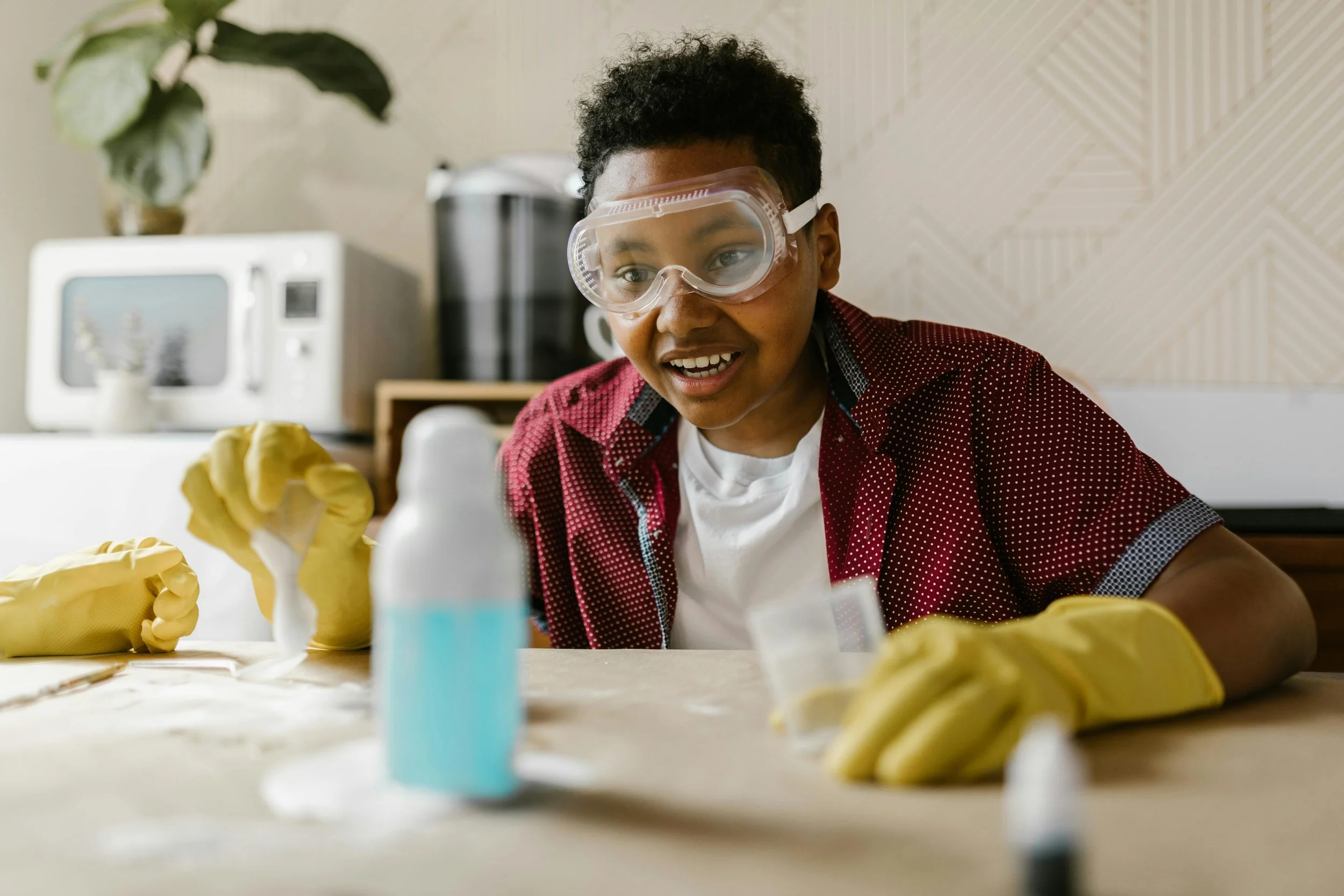
This comprehensive life science course explores the complexities of living organisms and their interactions with the environment. From the molecular biology of the cell to the macroscopic dynamics of ecosystems, students will investigate the fundamental processes of life. The curriculum is heavily lab-based, encouraging students to apply the scientific method to biological questions and understand the chemical basis of life.
-
-
Curriculum Highlight
Biology engages students in the systematic study of life, emphasizing cellular processes, genetics, and ecology. Through extensive laboratory work and field studies, scholars analyze living systems at multiple levels of organization. The curriculum highlights the application of biological principles to real-world issues, such as human health and environmental conservation. Students refine their analytical skills by evaluating experimental data and constructing scientific explanations.
Biology engages students in the systematic study of life, emphasizing cellular processes, genetics, and ecology. Through extensive laboratory work and field studies, scholars analyze living systems at multiple levels of organization. The curriculum highlights the application of biological principles to real-world issues, such as human health and environmental conservation. Students refine their analytical skills by evaluating experimental data and constructing scientific explanations.
-
Core Scope and Sequence
Units begin with the chemistry of life, cellular structure, and cellular energy processes like photosynthesis and respiration. The curriculum progresses to molecular genetics, Mendelian inheritance, and the mechanisms of evolution. Later units explore the diversity of life, organismal biology, and complex ecological interactions. Students conduct hands-on dissections, use microscopes, and engage with bioinformatics tools to deepen their understanding of biological systems and structures.
Units begin with the chemistry of life, cellular structure, and cellular energy processes like photosynthesis and respiration. The curriculum progresses to molecular genetics, Mendelian inheritance, and the mechanisms of evolution. Later units explore the diversity of life, organismal biology, and complex ecological interactions. Students conduct hands-on dissections, use microscopes, and engage with bioinformatics tools to deepen their understanding of biological systems and structures.
-