
7th Grade Science: Integrated Science Part 2
Integrated Science Part 2
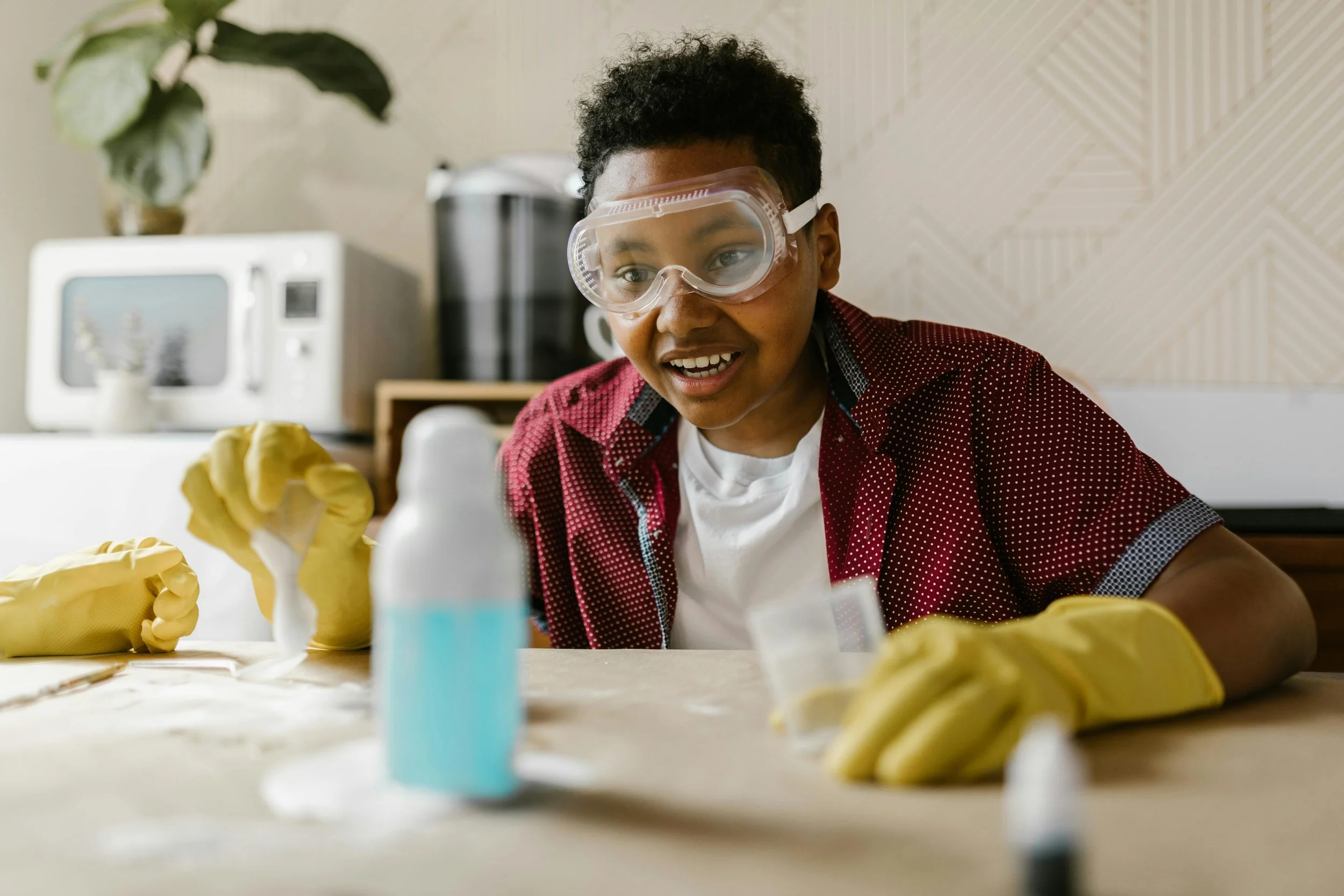
Course 2 deepens the integrated science experience by challenging students with complex, real-world phenomena. Scholars investigate the intricate relationships between Earth's systems and living organisms. Through project-based learning and interactive labs, students enhance their ability to construct models and argue from evidence. The curriculum emphasizes technological literacy and encourages students to apply scientific principles to understand environmental and physical challenges.
-
-
Curriculum Highlights
Course 2 deepens the integrated science experience by challenging students with complex, real-world phenomena. Scholars investigate the intricate relationships between Earth's systems and living organisms. Through project-based learning and interactive labs, students enhance their ability to construct models and argue from evidence. The curriculum emphasizes technological literacy and encourages students to apply scientific principles to understand environmental and physical challenges.
Course 2 deepens the integrated science experience by challenging students with complex, real-world phenomena. Scholars investigate the intricate relationships between Earth's systems and living organisms. Through project-based learning and interactive labs, students enhance their ability to construct models and argue from evidence. The curriculum emphasizes technological literacy and encourages students to apply scientific principles to understand environmental and physical challenges.
-
Core Scope and Sequence
Life science units explore cell structure and function, human body systems, and the reproduction of organisms. Earth science focuses on the distribution of Earth's resources, materials science, and human impact on the environment. Physical science units delve into electromagnetic forces, the introduction to waves, and light. Students continue to build on crosscutting concepts, utilizing technology and engineering design processes to formulate solutions for various scientific problems.
Life science units explore cell structure and function, human body systems, and the reproduction of organisms. Earth science focuses on the distribution of Earth's resources, materials science, and human impact on the environment. Physical science units delve into electromagnetic forces, the introduction to waves, and light. Students continue to build on crosscutting concepts, utilizing technology and engineering design processes to formulate solutions for various scientific problems.
-