
8th Grade
History, Civics & Justice: The Early Modern World (1450–1760)
Our Commitment to the Full Story
At The Mosaic Cooperative, we believe that history is not a singular story, but a vibrant and complex tapestry of human experience. We are deeply committed to telling the full story of our past—examining history through the multi-focal lenses of all involved, rather than a narrow, singular narrative. We believe that providing students with an honest look at many perspectives is the only way to cultivate true critical reasoning and empathy. This year, students step out of the Middle Ages and into the rapid global shifts of the Early Modern period.
-
-
Missional Alignment: Telling the Full Story
Our macro goals for social studies are designed to build socially conscious, analytical citizens:
The People’s History: Decentering "Big Man" narratives to amplify marginalized voices.
Global Perspectives: Pursuing an honest picture of the past.
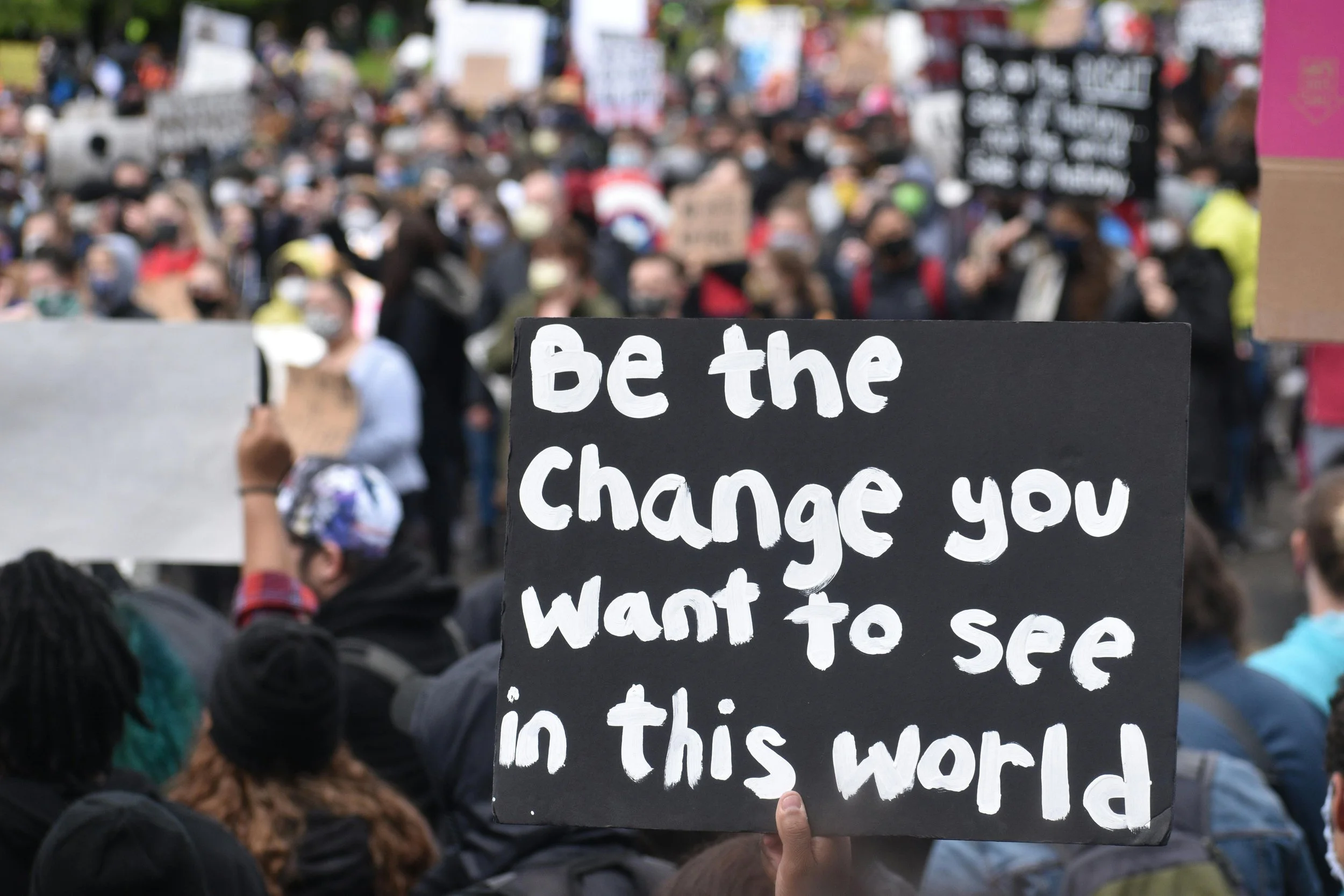
Modern Connections: Bridging historical and current events.
Student Agency: Empowering scholars to find their voice.
Independent Scholarship: Teaching rigorous source analysis.
Courageous Discourse: Fostering safe, respectful dialogue on heavy topics.
Our macro goals for social studies are designed to build socially conscious, analytical citizens:
The People’s History: Decentering "Big Man" narratives to amplify marginalized voices.
Global Perspectives: Pursuing an honest picture of the past.
Modern Connections: Bridging historical and current events.
Student Agency: Empowering scholars to find their voice.
Independent Scholarship: Teaching rigorous source analysis.
Courageous Discourse: Fostering safe, respectful dialogue on heavy topics.
-
Key Eras & Global Themes
Global Transition (1300–1500): The shift from the Middle Ages. Exploring the Renaissance, Ottoman rise, and Aztec dominance.
Exploration & Colonization (1450s–1600s): Analyzing early conquest, the fall of Indigenous empires, and the Transatlantic Slave Trade.
Colonial America (1600s–1700s): The 13 colonies, mercantilism, chattel slavery.
Empires & Enlightenments (1450–1760): A concurrent study of global powers, from China’s Ming Dynasty and Africa’s Songhai Empire to the European Reformation.
Global Transition (1300–1500): The shift from the Middle Ages. Exploring the Renaissance, Ottoman rise, and Aztec dominance.
Exploration & Colonization (1450s–1600s): Analyzing early conquest, the fall of Indigenous empires, and the Transatlantic Slave Trade.
Colonial America (1600s–1700s): The 13 colonies, mercantilism, chattel slavery.
Empires & Enlightenments (1450–1760): A concurrent study of global powers, from China’s Ming Dynasty and Africa’s Songhai Empire to the European Reformation.
-